

Hi everyone,
I’m back, with all ten fingers once again fully functional — which means a resumption of regular Monday scruffy updates.
Last week, I took a break from my hippie hideaway search for a quick road trip to the Fenimore Art Museum in Cooperstown, New York, to see the Linda McCartney Retrospective, From the Light.
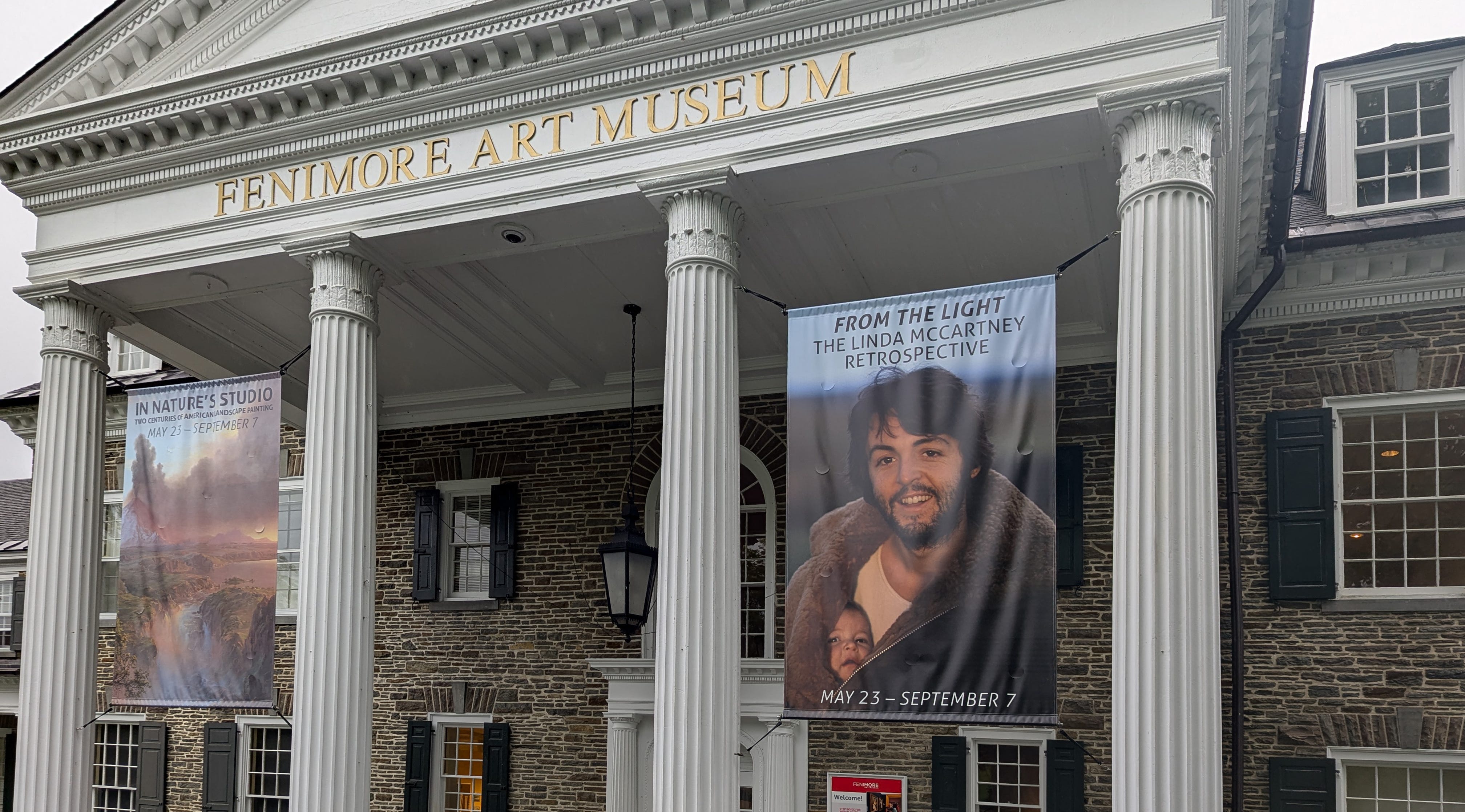
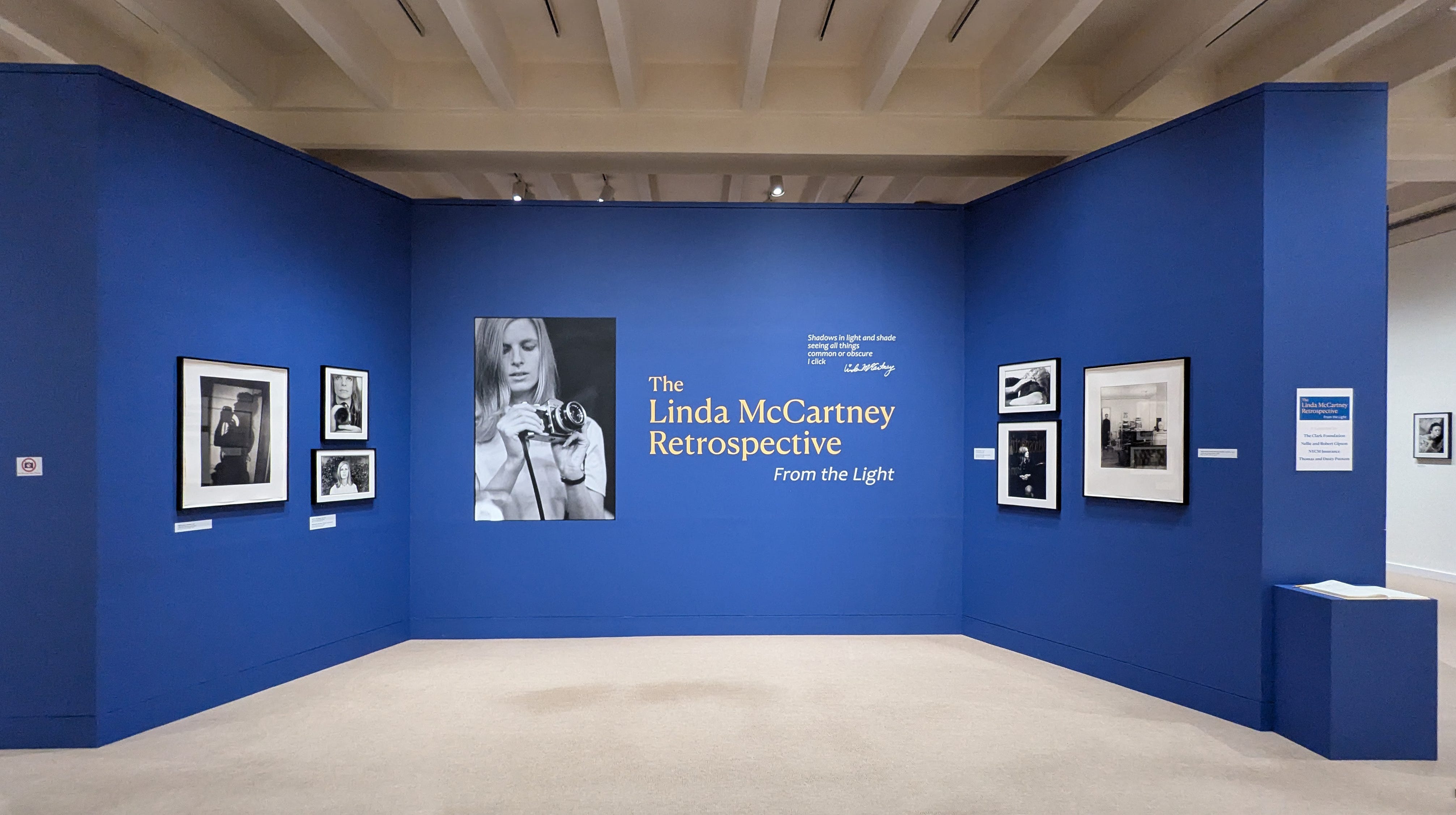
Some of you know firsthand that even if you’ve seen a piece of visual art hundreds of times before in a book or online, it’s an entirely different experience to see it in real life.
Like, for example…
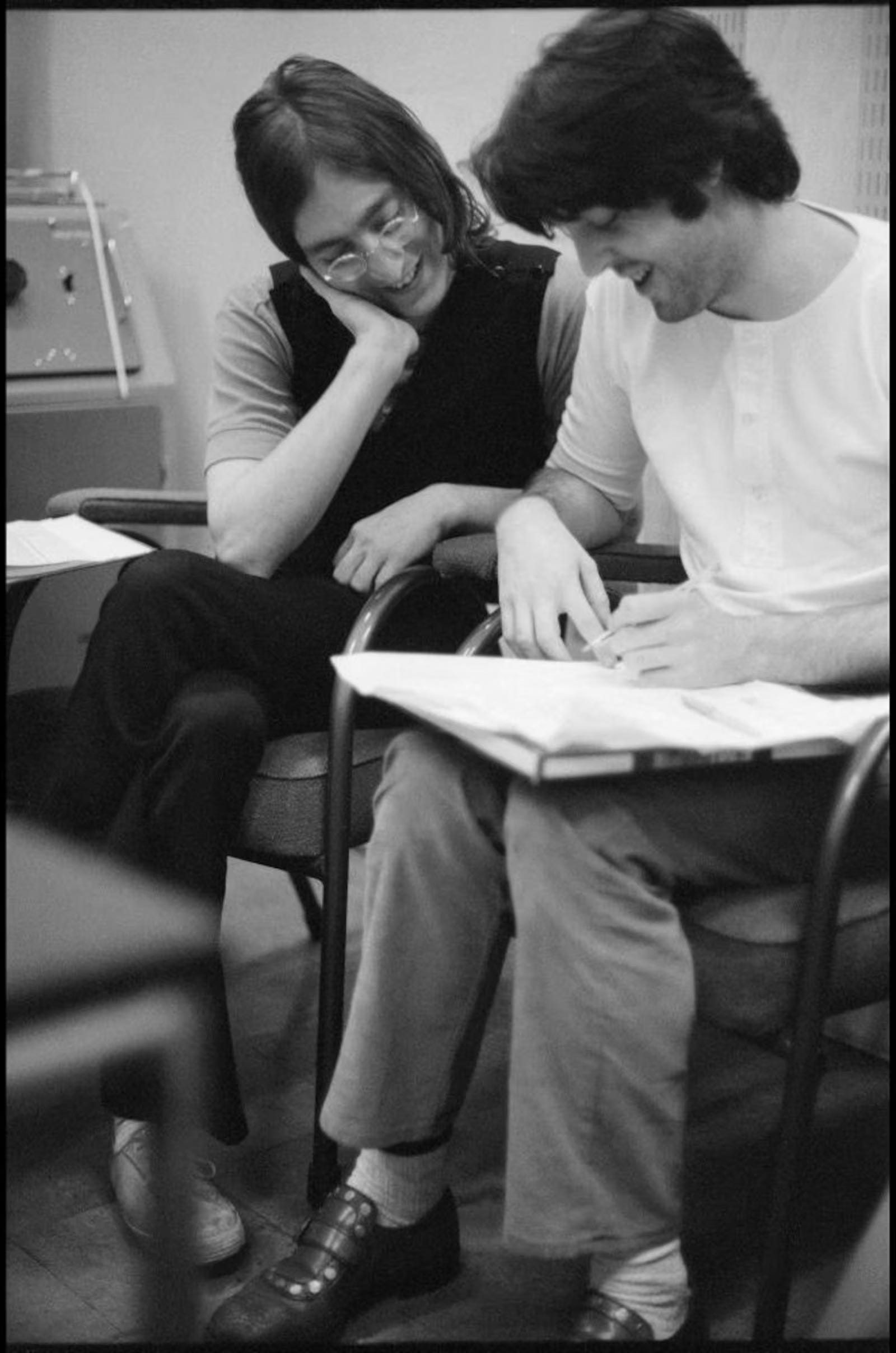
And this one…
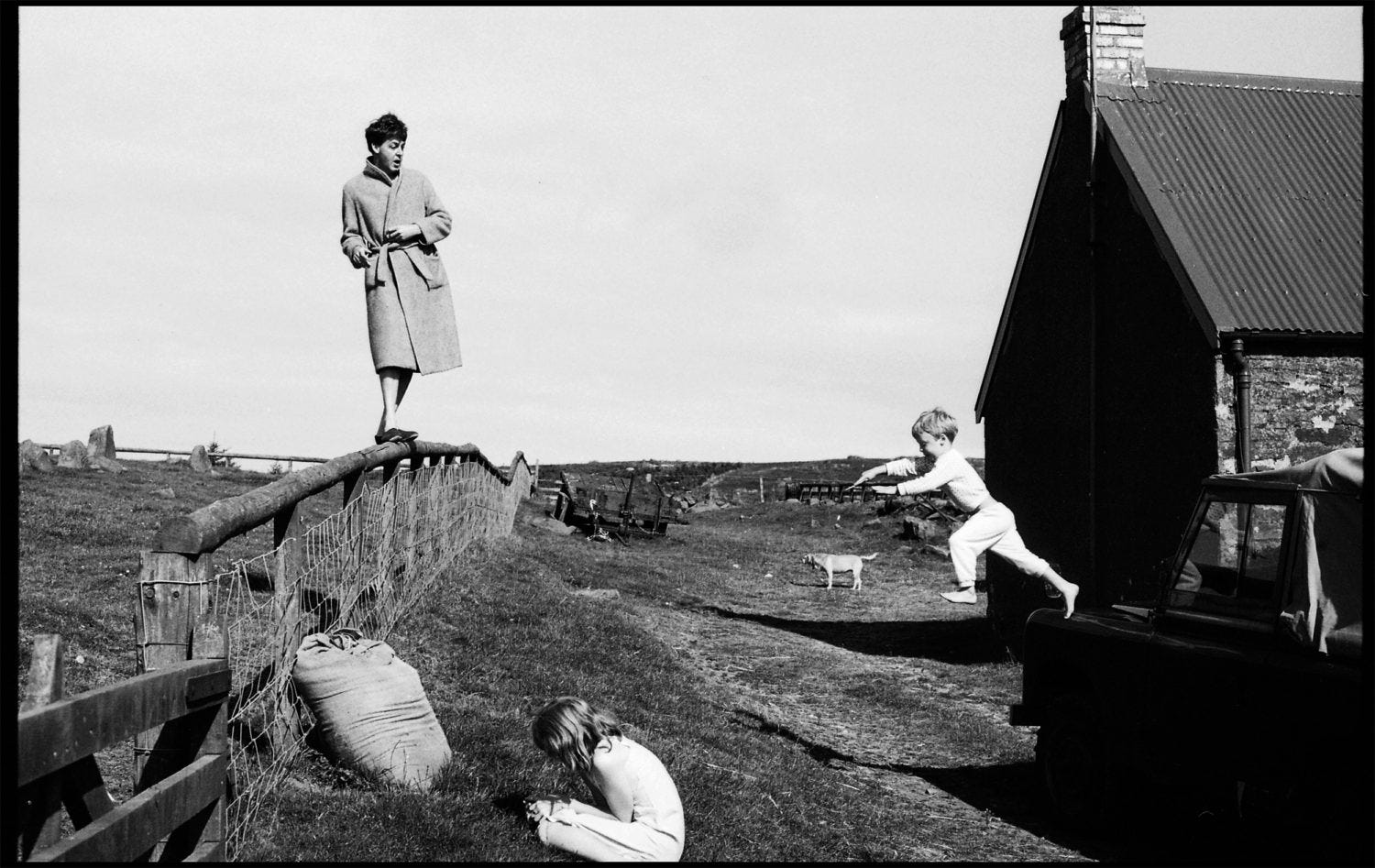
And this one…
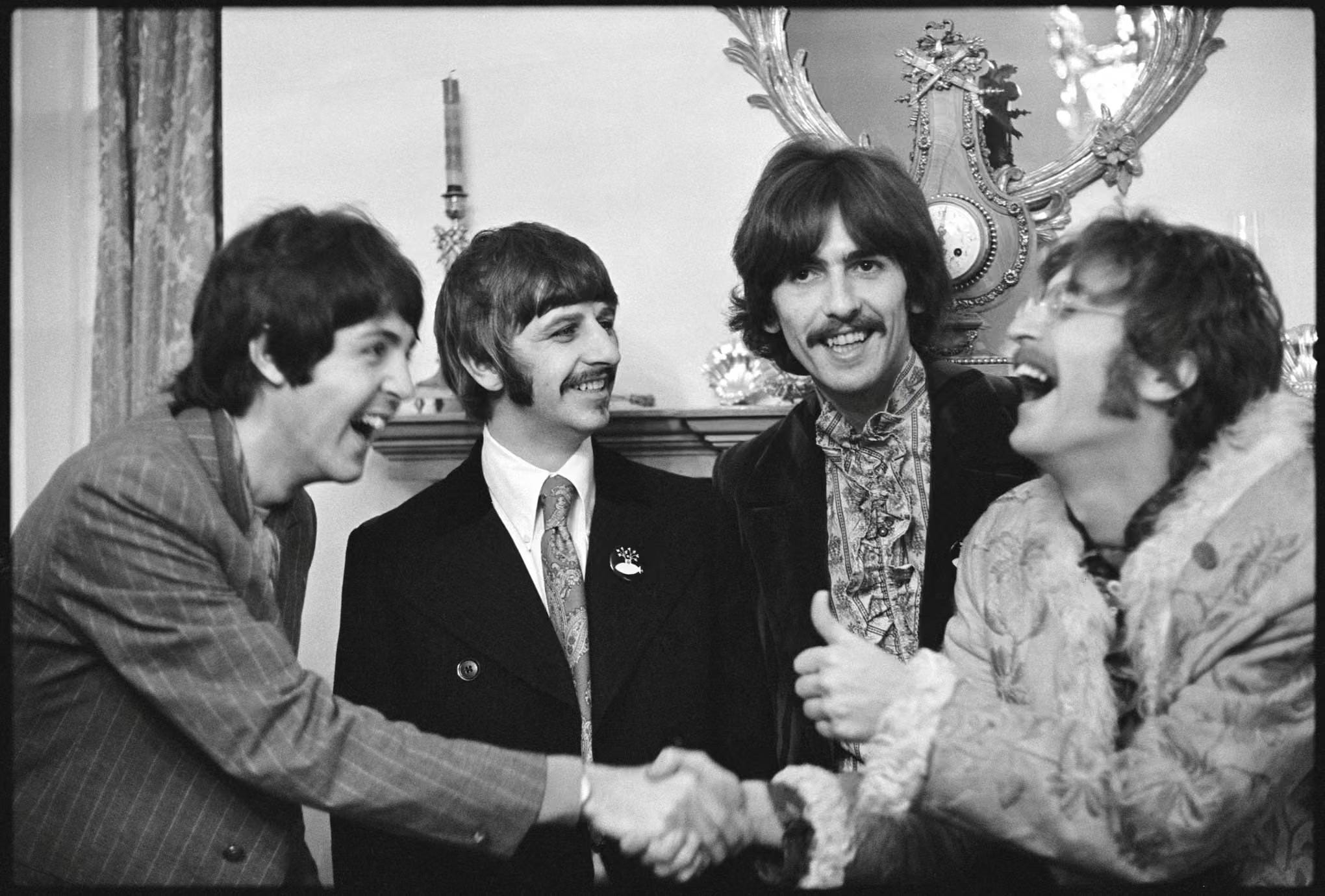
And this one, which I have not, in fact, ever seen before anywhere, and which might be the single most beautiful photograph I’ve ever seen of Paul McCartney (and that’s saying something, given we’re talking about Paul McCartney)…
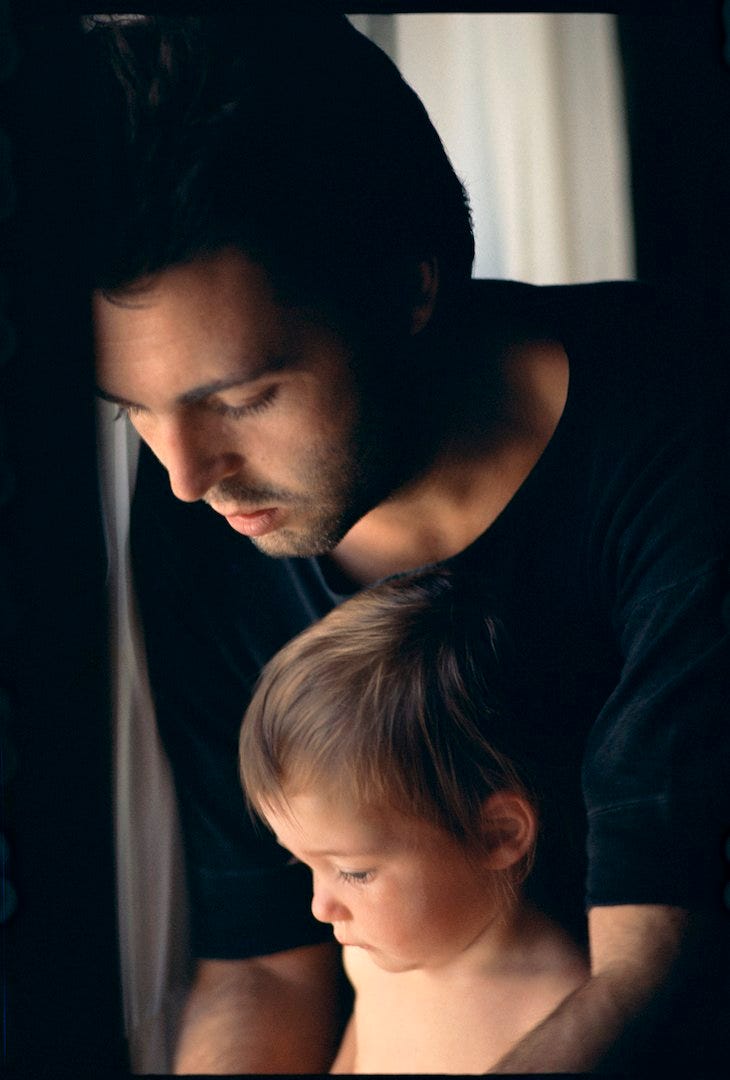
And this one, which I’d also not seen before and which so perfectly captures so many things about Paul and the culture he helped to create…
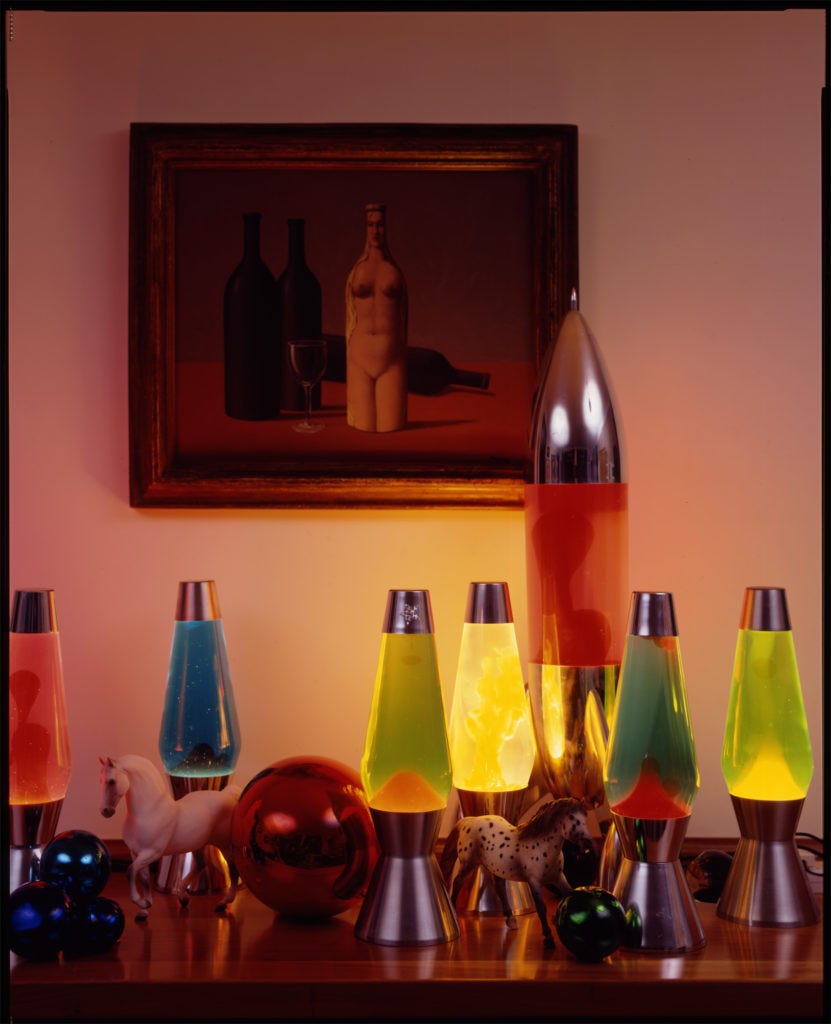
As some of you might also know from your own experience, encountering a piece of visual art in real life rather than online or in a book frequently changes our experience of the art — and of the artist.
The most notable insight I came away with was that Linda McCartney was an extraordinarily brilliant photographer. It was obvious even seeing her work online that she had talent, but it took seeing her work in real life for me to understand just how talented she was, especially in her use of light and shadow — and how much she was not just an enthusiastic amateur whose work only matters because of the subject matter and because she was Mrs. Paul McCartney (as I think is often the perception).
The exhibition also reminded me of how big a role Linda McCartney’s camera — and photography in general — has played in shaping the mythology of The Beatles and the Sixties.
Whether coincidence or #Beatlemagick, it’s notable that from their earliest days, The Beatles were never without the presence of a gifted photographer on hand to document their story.
Paul’s brother, Mike McCartney — also an accomplished photographer — was there from the earliest days, and serious and accomplished enough even as a young teenager to have converted his bedroom closet into a darkroom. In Hamburg, pioneering photographer Astrid Kirchherr gave us the first modern photos of the first modern rock band, and Jurgen Vollmer did much the same when photographing their live shows at the Top Ten and Star Club.
Once The Beatles became the Fab Four, they attracted the lenses of the top photojournalists of the day, as well as master portrait photographers like Richard Avedon and Annie Lebowitz.
And then came Linda, whose images shaped our perception of the breakup and especially Paul after the breakup. And after Linda, there’s Mary McCartney, who has inherited her mother’s eye for portraiture. And let’s not forget that Paul (along with Ringo and George) has an excellent amateur’s eye and an unmatched insider perspective.
The Abbey is mostly about words, and The Beatles are mostly about music — but pictures, too, are a significant part of the story. Of the mythology. So this week, I want to use my words to thank all of the photographers — master and amateur — who have, over the decades, lent their talents to immortalizing this story, so that those of us who weren’t blessed to be there when it all unfolded in real time can nonetheless share in the magick. 📷❤️
Until next week.
Peace, love, and strawberry fields,
Faith 🍓
PS — While in Cooperstown, I stayed at a beautiful 18th century New England convent, because as some of you know, I have a thing for convents (and monestaries), and would happily have lived my life as a cloistered nun — were it not for the pesky requirement to believe in all kinds of things in which I do not believe (no offense to those who do).
So staying at a convent is sort of Nun Fantasy Camp for me, and this particular convent especially so — probably in part because it was built in the eigtheenth century which, when it comes to architecture (and convents) here in the US, is very old indeed.
I mention all of this here only because there was a prayer displayed in the entranceway, and I couldn’t help but notice that it applies as much to Beatles scholarship as it does to professed nuns—
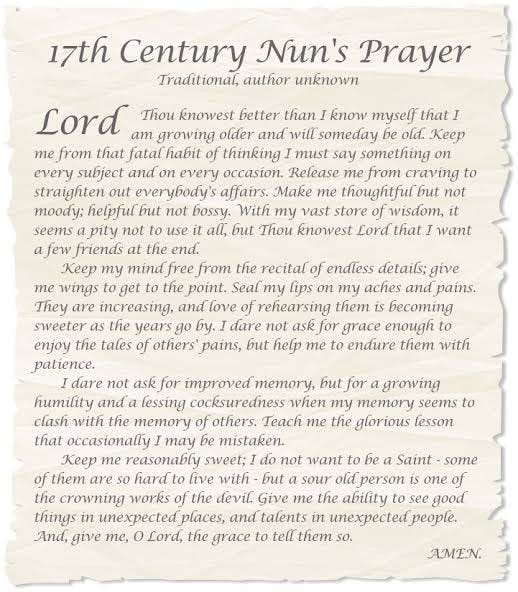
So mote it be.
